
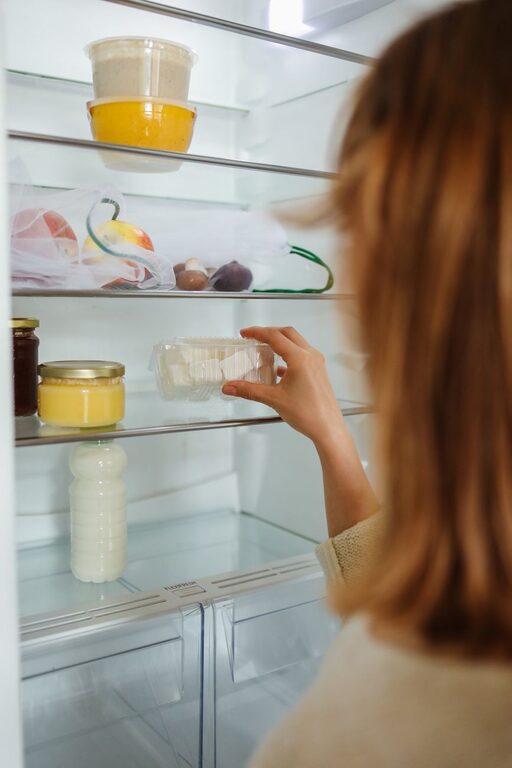
A tidy fridge and pantry can make daily life much easier. When ingredients are easy to see and reach, meal planning takes less time, shopping becomes more focused, and food is less likely to be forgotten. The key is not creating a perfect display. It is building simple habits that are easy to maintain.
Start With a Clean Slate
Before reorganizing, remove everything from your fridge and pantry. Working one shelf or section at a time can make the task feel more manageable.
As you empty each space, check every item and ask:
– Is it still fresh or usable?
– Is the package damaged?
– Do I know what it is and how to use it?
– Is it something my household actually enjoys?
– Is it stored in the right place?
Discard items that are clearly spoiled, empty, or no longer useful. Set aside unopened foods you will not use so they can be shared or donated when appropriate.
Wipe shelves, drawers, and cabinet surfaces with a suitable household cleaner. Let surfaces dry before putting items back. A clean starting point makes it easier to notice spills and maintain order later.
Create Simple Zones
Organizing by category is one of the easiest ways to keep food tidy. Give each type of item a regular home so everyone in the household knows where it belongs.
Useful Fridge Zones
You might create areas for:
– Ready-to-eat foods
– Dairy products
– Fruits
– Vegetables
– Drinks
– Sauces and condiments
– Leftovers
– Ingredients for upcoming meals
Use drawers for items that benefit from being kept together, such as produce. A small bin can hold snack items, while another can collect lunch ingredients or breakfast foods.
The exact arrangement depends on the design of your fridge and your personal routine. The most important rule is consistency. If similar items always return to the same area, the fridge will stay easier to use.
Useful Pantry Zones
Divide your pantry into broad categories, such as:
– Pasta, rice, and grains
– Canned foods
– Baking ingredients
– Breakfast foods
– Snacks
– Spices and seasonings
– Cooking oils and sauces
– Backstock or extra supplies
Keep frequently used ingredients at eye level or within easy reach. Place occasional-use items on higher shelves and heavier items on lower shelves.
Use Containers Carefully
Containers can improve visibility and reduce clutter, but you do not need to transfer everything into matching jars. Use them where they solve a specific problem.
Clear bins are helpful for grouping small packages, snack bags, drink boxes, or baking supplies. Airtight containers can keep dry goods neat and make it easier to see how much remains.
If you transfer food from its original package, label the container with the name and, when helpful, the opening date or use-by information from the package. This prevents confusion and helps you use items in a timely way.
Choose containers that stack well and are easy to wash. Avoid filling them so completely that you cannot remove items without unpacking an entire shelf.
Make Food Easy to See
A tidy space should also be practical. If items are hidden behind one another, they may be forgotten.
Try these simple solutions:
– Use a small riser for jars and bottles.
– Place short items in front of tall items.
– Store open packages in clear bins.
– Keep similar products together.
– Turn labels toward the front.
– Leave a little space between groups.
In the pantry, narrow shelves or shelf risers can create additional levels. In the fridge, shallow bins often work better than deep ones because food remains visible.
Avoid overcrowding. A mostly full fridge or pantry may look efficient, but tightly packed shelves make it harder to clean and track what you have.
Follow a First In, First Out Routine
When you buy new groceries, move older items toward the front and place newer items behind them. This simple system helps you use food in the right order.
For pantry goods, check dates and arrange products so the ones you are most likely to use soon are easy to reach. Do not rely only on memory. A quick glance while putting groceries away can prevent items from being overlooked.
The same routine works for the fridge. Before adding new leftovers or fresh ingredients, look for older items that should be used first.
Keep Leftovers Under Control
Leftovers can quickly create fridge clutter. Store them in shallow, clearly labeled containers so they cool and stack more easily. Add a simple note if you may not remember what the container holds.
Choose one area of the fridge for leftovers. This gives you a quick view of what needs attention and can inspire an easy meal.
Plan a regular “use-it-up” meal once or twice a week. Combine suitable leftovers with fresh ingredients, or use them as fillings, toppings, or side dishes. This habit can reduce waste while making meal planning simpler.
Organize Open Packages
Partly used packages are often the main source of pantry mess. Clips, rubber bands, and loose bags can make shelves look untidy and allow small items to get lost.
After opening a package:
- Fold or seal it securely.
- Place it in a labeled container if needed.
- Group it with similar foods.
- Move it to the front if it should be used soon.
A dedicated bin for open packages can be especially useful. Instead of spreading opened foods across several shelves, collect them in one place and check the bin regularly.
Make Grocery Shopping More Efficient
A tidy fridge and pantry can support better shopping habits. Before making a grocery list, take a quick inventory. Check the back of shelves, drawers, and containers rather than buying duplicates.
Keep a running list in a convenient place, such as on your phone or on a notepad near the kitchen. When an item is nearly finished, add it to the list immediately.
Avoid buying large quantities unless you have enough storage space and a clear plan for using them. A smaller, well-organized supply is often more useful than an overloaded pantry.
Build a Short Weekly Routine
You do not need to spend hours organizing every week. A short routine can keep clutter from returning.
Once a Week
– Remove old leftovers.
– Wipe visible spills.
– Check produce for items that need to be used.
– Return misplaced items to their zones.
– Review foods that are running low.
Once a Month
– Clean one fridge drawer or pantry shelf thoroughly.
– Check rarely used ingredients.
– Group duplicate items.
– Adjust storage if your household’s needs have changed.
– Remove empty containers and packaging.
Small, regular tasks are easier than waiting for the fridge or pantry to become overwhelming.
Choose a System You Can Maintain
The best organization system is one that fits your cooking style, storage space, and household routines. If your family often grabs snacks, keep them together in an easy-to-reach area. If you cook from scratch, place everyday ingredients near the front. If you prefer meal planning, create a visible section for ingredients intended for upcoming meals.
Do not aim for perfection. A tidy fridge and pantry should save time, not create extra work. Focus on clear categories, visible food, and simple habits. With a little consistency, your kitchen storage can stay cleaner, easier to navigate, and more useful every day.