
Give Your Walls a Fresh Look
Blank walls can make a room feel unfinished, but decorating them does not have to be expensive or complicated. With a few basic supplies and a little creativity, you can make personal wall decor that adds color, texture, and character to your home.
These easy DIY wall decor ideas are suitable for beginners and can be adapted to match many decorating styles. Try one project for a small update or combine several to create a complete gallery wall.
1. Create a Simple Gallery Wall
A gallery wall is an easy way to display artwork, photographs, postcards, and other meaningful items. It can be arranged in a neat grid or styled with a more relaxed, collected look.
What you need
– Frames in different sizes
– Family photos, prints, or postcards
– Paper and pencil
– Measuring tape
– Wall-safe hanging strips or picture hooks
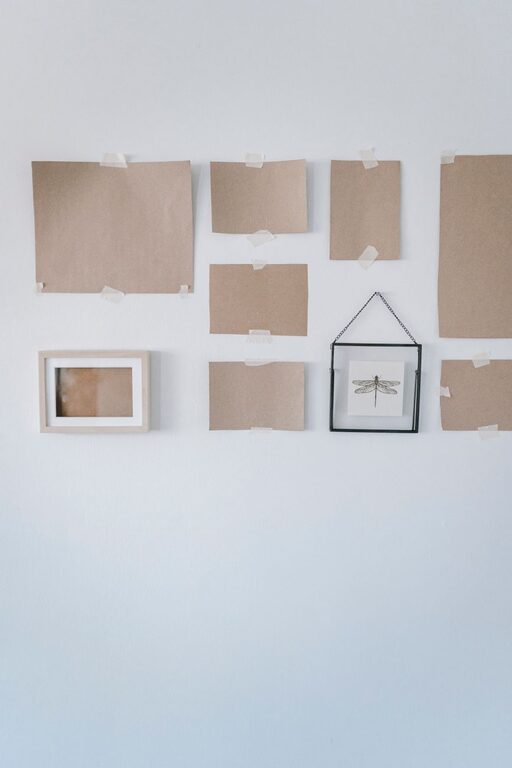
Before placing anything on the wall, arrange the frames on the floor. Move them around until you find a layout you like. Leave a similar amount of space between each piece for a balanced appearance.
For a clean look, use frames in the same color. For a casual display, mix wood, metal, and painted frames. You can also add a small mirror or decorative object to break up the artwork.
2. Make Framed Fabric Art
Fabric can add warmth and color to a room without the cost of traditional artwork. Look for fabric with an interesting pattern, a bold color, or a simple natural design.
Stretch the fabric over a canvas frame or a piece of cardboard, then secure it on the back with tape or staples. Place the finished piece inside a frame, or hang it as a lightweight textile panel.
This project works especially well with leftover fabric from curtains, clothing, or sewing projects. For a coordinated room, choose fabric that repeats one of the colors already used in your furniture or accessories.
3. Paint an Abstract Canvas
You do not need advanced painting skills to create attractive wall art. An abstract canvas can be made with a few colors and simple shapes.
Start with a blank canvas and choose two to four paint colors. Use a wide brush, sponge, or even an old gift card to create lines, blocks, dots, and soft layers. Let each layer dry before adding another.
For a modern design, keep the shapes simple and use plenty of open space. For a playful look, choose brighter colors and overlapping forms. If you are unsure about the design, practice on paper first.
A set of two or three small canvases can look more interesting than one large piece. Use related colors or repeat the same shape across each canvas to make the group feel connected.
4. Design a Decorative Wall Hanging
Wall hangings are a simple way to add texture. You can make one with yarn, rope, ribbon, or strips of fabric.
Tie the materials to a wooden dowel, branch, or round metal ring. Vary the lengths to create layers, and add beads or knots for extra detail. A small wall hanging can brighten a narrow space, while a larger one can serve as a focal point above a bed, sofa, or console table.
Choose soft neutral materials for a calm style, or use several colors for a more energetic design. Keep the finished piece lightweight so it is easy to hang securely.
5. Use Floating Shelves as Decor
Floating shelves are useful for displaying small decorations while keeping the wall visually interesting. They can hold books, framed art, plants, candles, or travel souvenirs.
Install one or two shelves and arrange objects at different heights. Place larger items toward the back and smaller pieces near the front. Avoid filling every inch of space; a little empty space helps each item stand out.
You can also make simple shelves from wooden boards and basic brackets. Sand the wood and leave it natural, stain it, or paint it to match the room. Always follow the hardware instructions and choose supports that can handle the weight of the items you plan to display.
6. Make a Botanical Wall Display
Pressed leaves and flowers can bring a natural touch indoors. Collect fallen leaves or use flowers from a bouquet, then press them between sheets of paper inside a heavy book. Leave them for several days until they are completely dry.
Place the pressed plants in glass frames or simple picture frames. Arrange several small frames in a row or create a larger display with different shapes and plant varieties.
If you prefer a low-maintenance option, use artificial leaves, dried grasses, or botanical prints. These materials provide a similar look and are easy to refresh when your style changes.
7. Create a Painted Wall Border
A painted border can add personality without covering an entire wall. Use painter’s tape to mark a straight line around the room, behind a desk, or above a bed.
Choose a color that contrasts gently with the existing wall. Soft green, warm beige, muted blue, and terracotta can create a welcoming effect. For a more playful design, paint a series of arches, half circles, or simple geometric shapes.
Measure carefully and press the tape firmly to help prevent paint from spreading underneath. Remove the tape while the paint is slightly damp for a cleaner edge.
8. Turn Everyday Items Into Wall Art
Some of the best wall decor may already be in your home. A collection of woven baskets, decorative plates, hats, postcards, or wooden cutting boards can become an eye-catching display.
Lay the items on the floor first and experiment with different arrangements. Try a centered design for a formal look or an uneven arrangement for a relaxed feel. Use sturdy hooks suited to the weight of each item.
When displaying kitchen items or baskets, group pieces by color or material. Repeating one feature helps the collection look intentional rather than cluttered.
Tips for a Polished Result
Keep these simple guidelines in mind as you plan your project:
– Choose a color palette before buying supplies.
– Use paper templates to test layouts on the wall.
– Leave enough space around each item.
– Mix large and small pieces for visual balance.
– Repeat colors, shapes, or materials throughout the display.
– Use wall-safe hanging solutions when possible.
– Check that frames and shelves are secure before adding objects.
It is also helpful to consider the room’s purpose. Calm colors and natural textures work well in bedrooms, while brighter artwork may suit a playroom or home office. In a hallway, a narrow display or a row of small frames can add interest without taking up floor space.
Make Your Decor Personal
DIY wall decor is most successful when it reflects your taste and experiences. Add favorite photos, handmade drawings, meaningful fabrics, or colors that make you feel comfortable. The goal is not to create a perfect showroom display. It is to make your space feel more complete and more like your own.
Start with one small project, such as a framed fabric piece or a simple painted canvas. Once you see how a handmade detail changes the room, you may find plenty of new ways to turn blank walls into welcoming features.