
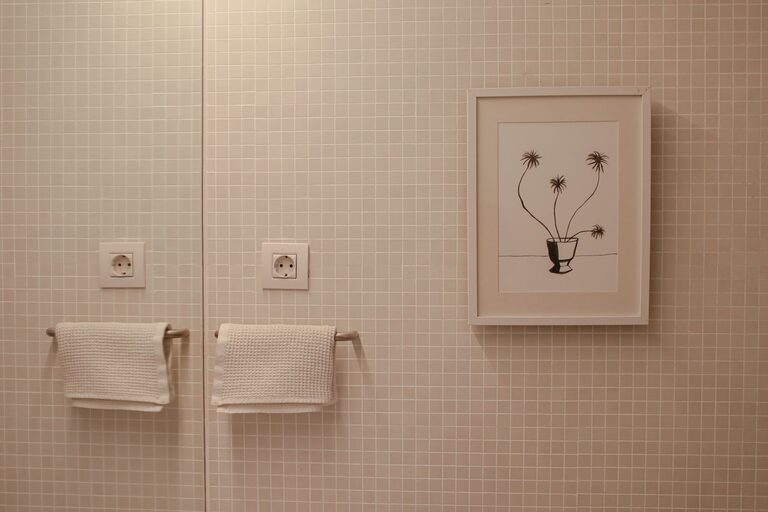
A minimalist bathroom is more than a room with fewer items. It is a clean, comfortable space designed around daily routines, practical storage, and a calm visual style. By removing clutter and choosing useful, durable pieces, you can make almost any bathroom feel more spacious and easier to maintain.
You do not need a large budget or a complete renovation to create a minimalist setup. Small changes, such as clearing the countertop, improving storage, and simplifying the color scheme, can make a noticeable difference.
Start With a Clear Plan
Before buying anything, look at how your bathroom is currently used. Notice where clutter collects, which items you use every day, and which products are rarely touched.
Create three simple groups:
– Keep: Items you use regularly
– Store: Useful items that do not need to stay visible
– Remove: Duplicates, empty containers, and unused products
Take everything out of drawers, cabinets, and baskets before sorting. This gives you a complete view of what you own and helps prevent forgotten items from taking up space.
Next, decide what you want the room to feel like. A minimalist bathroom often aims for a calm, bright, and organized atmosphere. Keeping this goal in mind can help you avoid adding attractive items that do not serve a practical purpose.
Choose a Simple Color Palette
A limited color palette makes a bathroom look more organized, even when the room includes many functional items. White, soft gray, beige, light wood, and muted green are popular choices for a relaxed look.
You do not have to make everything the same color. Instead, choose two or three main shades and repeat them throughout the room. For example:
– White walls and towels
– Light wood storage
– Black or brushed metal fixtures
If you already have colorful tiles or flooring, use them as the starting point. Keep accessories and storage in quieter shades so the room does not feel visually crowded.
Natural materials can also add warmth without making the space busy. Consider cotton towels, bamboo organizers, wood accents, or a small stone tray. Choose a few well-made pieces rather than many decorative objects.
Keep Only the Essentials Visible
Open surfaces are one of the easiest ways to create a minimalist appearance. The bathroom countertop, edge of the bathtub, and area around the toilet can quickly become crowded with bottles and accessories.
Keep only the items you use every day within reach. Depending on your routine, this may include:
– Hand soap
– A toothbrush holder
– One lotion or skincare product
– A small tray for frequently used items
Move extra toiletries into drawers, cabinets, or labeled containers. If you use several products, group them by purpose instead of spreading them across the room. Hair care, skincare, shaving supplies, and cleaning items can each have a designated place.
Avoid keeping half-used products in several locations. Combining similar items in one area makes it easier to see what you have and reduces unnecessary purchases.
Improve Storage Without Adding Clutter
Good storage is essential for a minimalist bathroom. The goal is not to hide everything without a system, but to give every item a logical home.
Use storage that matches the size and layout of your bathroom. Helpful options include:
– Drawer dividers for small items
– Stackable bins for extra supplies
– Wall-mounted shelves for limited floor space
– Over-the-door organizers
– Narrow cabinets for unused corners
– Matching baskets for towels and toiletries
Choose containers with simple shapes and consistent colors. Matching storage creates a more unified appearance and makes shelves look less crowded.
Use labels when they make the system easier to maintain. Labels are especially useful for shared bathrooms or containers stored inside deep cabinets. However, avoid labeling every small item if it adds unnecessary visual detail.
Make frequently used items easy to reach. Store occasional-use products higher up, farther back, or in a separate cabinet. This arrangement keeps daily routines simple while ensuring that less-used items remain available.
Select Functional Fixtures and Accessories
When choosing bathroom accessories, focus on function, durability, and ease of cleaning. A minimalist bathroom does not need many decorative additions. Each item should solve a problem or support the overall design.
Consider replacing mismatched accessories with a coordinated set, such as:
– A soap dispenser
– A toothbrush holder
– A wastebasket
– A toilet brush
– Towel hooks or rails
Wall-mounted accessories can help keep the floor and countertop clear. Hooks are often more practical than towel bars in small bathrooms because they require less wall space and make towels easy to hang.
Choose fixtures with smooth surfaces and simple shapes. Items with too many grooves, patterns, or small parts may be harder to clean and can make the room feel busier.
Use Lighting to Create a Calm Atmosphere
Lighting has a major effect on how a bathroom feels. If possible, make the most of natural light by keeping windows clear and using a simple, moisture-safe window covering.
For artificial lighting, aim for a combination of general and task lighting. Ceiling lighting can brighten the entire room, while a well-placed light near the mirror helps with grooming.
Use bulbs with a comfortable color temperature rather than harsh, overly bright light. If your bathroom feels cold, warmer light can make neutral surfaces and natural materials feel more inviting.
Keep light fixtures simple and suited to the room’s size. A small bathroom usually benefits from one clean, well-positioned fixture rather than several decorative lights.
Add Texture Without Adding Clutter
Minimalist design does not have to feel plain or sterile. Texture can add comfort while keeping the overall look simple.
Try adding texture through practical items such as:
– Thick cotton towels
– A woven bath mat
– A simple shower curtain
– A small wooden stool
– A ceramic soap dish
Limit patterns to one or two areas. For example, use a textured bath mat with solid-colored towels, or a subtle shower curtain with plain accessories. Too many patterns can make a small bathroom feel crowded.
Plants can also bring life to the room. Choose a small plant that suits the available light and humidity, and place it where it will not interfere with daily use. If the room has little natural light, a high-quality artificial plant may be a simpler option.
Create a Practical Cleaning Routine
A minimalist bathroom is easier to clean when surfaces are open and products are organized. Build a short routine that prevents clutter and buildup from returning.
After using the bathroom, make quick habits part of your routine:
– Wipe the sink and countertop
– Hang towels so they can dry
– Return toiletries to their storage area
– Rinse the shower area when needed
– Empty the wastebasket regularly
Once a week, clean mirrors, fixtures, floors, and storage surfaces. Check your toiletries every few weeks and remove empty or expired items according to the product label.
Avoid buying large quantities of products unless you have enough storage space. A simple restocking list can help you replace essentials without creating an overflowing cabinet.
Maintain the Minimalist Setup
The most important part of minimalist design is ongoing maintenance. Once the bathroom is organized, make a habit of reviewing new purchases before bringing them into the room.
Ask yourself:
– Do I need this item?
– Do I already own something similar?
– Where will I store it?
– Is it easy to clean and maintain?
A minimalist bathroom should support your routine, not make it more difficult. Keep the items that are useful, comfortable, and well suited to the space. With thoughtful storage, a simple color palette, and regular decluttering, you can create a bathroom that feels clean, peaceful, and practical every day.