
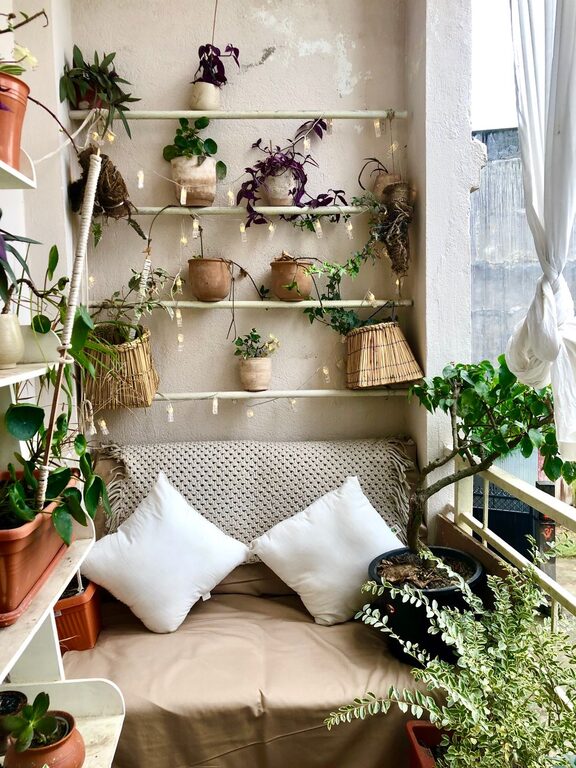
A small balcony can become one of the most enjoyable areas of your home. Even with limited floor space, a few thoughtful changes can create a comfortable spot for morning coffee, reading, dining, or relaxing at the end of the day.
The key is to choose items that serve a purpose, fit the space, and make the balcony feel welcoming without making it look crowded. With the right layout, textures, lighting, and greenery, almost any balcony can feel like a cozy outdoor room.
Start With a Simple Plan
Before buying furniture or accessories, take a close look at your balcony. Measure the length and width, note the location of doors and railings, and identify areas that must remain clear. This helps you avoid choosing pieces that are too large or difficult to move.
Think about how you want to use the space. For example, you might want:
– A quiet reading corner
– A place for two people to enjoy coffee
– A small area for outdoor meals
– A spot for growing herbs or flowers
– A comfortable place to relax
Choose one main purpose instead of trying to include everything. A focused design usually makes a small balcony feel larger and more organized.
Choose Furniture That Fits
Furniture has the biggest effect on how spacious a balcony feels. Look for compact pieces with simple shapes and lightweight construction.
A small bistro table with two folding chairs is a classic choice. It provides a useful surface without taking up much room. If you prefer lounging, consider a narrow bench, a compact outdoor chair, or a floor cushion placed on a weather-resistant mat.
Furniture that can fold, stack, or serve more than one purpose is especially helpful. Good options include:
– Folding chairs and tables
– A storage bench with a seat cushion
– Nesting tables
– Stools that can work as seating or side tables
– Wall-mounted or railing-mounted tables
Leave enough space to open the balcony door and move around comfortably. Pushing every item against the railing may seem efficient, but it can make the area feel cramped. A little open floor space helps the entire balcony look more inviting.
Add Comfort With Textiles
Soft furnishings can quickly change the mood of an outdoor space. Seat cushions, pillows, and a small outdoor rug add comfort while bringing color and texture to the design.
Choose fabrics made for outdoor use whenever possible. They are usually better suited to sunlight and occasional moisture. If your balcony is exposed to rain, store cushions indoors or place them in a weather-resistant storage box when they are not being used.
A simple combination might include:
– One seat cushion for each chair
– Two or three coordinating pillows
– A narrow outdoor rug
– A lightweight throw for cool evenings
Use a limited color palette to keep the balcony looking calm. Neutral colors such as beige, gray, cream, and soft brown create a relaxed foundation. You can add personality with small accents in blue, green, yellow, or another favorite color.
An outdoor rug can also help define the seating area. Select one that fits beneath the main furniture without blocking the balcony entrance or creating a tripping hazard.
Use Warm, Comfortable Lighting
Lighting makes a major difference after sunset. Bright overhead lighting can feel harsh, while softer light creates a more relaxed atmosphere.
String lights are a popular choice because they add a gentle glow without taking up floor space. Attach them securely to a wall, railing, or overhead structure, following the product instructions. Battery-powered or solar options can be useful when outdoor outlets are not available.
Other lighting ideas include:
– Small lanterns
– Rechargeable table lamps
– Battery-powered candles
– Solar lights placed in planters
– Clip-on lights for railings
Use several small light sources instead of one strong light. This creates layers and makes the balcony feel more like an extension of your living space. Be sure that any electrical products are designed for outdoor use and protected from the weather.
Bring in Plants
Plants add life, color, and privacy to a small balcony. You do not need a large collection. A few carefully placed plants can have a noticeable effect.
Vertical space is especially valuable. Use tall, narrow planters, railing boxes, or a compact plant stand to keep the floor clear. Hanging planters can also add greenery without using valuable seating space, provided they are attached securely and do not create a hazard below.
Consider a mix of plant sizes and shapes:
– A tall plant in a slim container
– Small herbs in a railing planter
– Trailing plants on a shelf
– Seasonal flowers in a compact pot
– A small indoor-style plant for a sheltered corner
Choose plants that suit the amount of sunlight and wind your balcony receives. Also check local building or property rules before attaching planters to railings. Use stable containers and avoid placing heavy pots where they could fall or become difficult to secure.
If regular plants are not practical, high-quality artificial greenery can still add color and softness. Keep the arrangement simple so the balcony does not feel overfilled.
Create Privacy Without Blocking the Space
A little privacy can make a balcony feel more comfortable, especially when it faces neighboring buildings or busy walkways. Instead of adding a solid screen that makes the space feel smaller, consider lighter options.
Outdoor curtains, bamboo panels, a narrow trellis, or tall plants can provide separation while allowing light and air to pass through. A fabric screen can also add softness and create the feeling of a private retreat.
Choose materials that can handle your local weather. Secure all screens, curtains, and decorative panels properly, particularly if the balcony is exposed to wind.
Make Use of the Walls and Railings
When floor space is limited, look upward. Walls and railings can hold useful or decorative items without reducing the walking area.
Depending on your building rules and the type of surface available, you might add:
– A narrow wall shelf
– A vertical garden
– Hooks for lightweight accessories
– A folding wall table
– A small outdoor artwork piece
– A railing planter
Keep wall decor limited to a few meaningful items. Too many signs, shelves, and decorations can make the balcony look busy. Choose pieces that support the overall style and are suitable for outdoor conditions.
Add Personal Details
The final layer of coziness comes from personal touches. A small tray for drinks, a favorite outdoor-safe cushion, or a decorative pot can make the balcony feel connected to the rest of your home.
You could also add a small basket for books, a compact speaker, or a serving board for snacks. Select items that are easy to store and do not need constant protection from the weather.
Try to repeat colors or materials from nearby rooms. For example, wooden furniture can connect with a wood-toned interior, while blue cushions can echo colors used indoors. This visual connection makes the balcony feel like a natural extension of your living space.
Keep the Space Easy to Maintain
A cozy balcony should also be practical. Choose furniture and accessories that are easy to clean and move. Regularly sweep the floor, wipe down surfaces, and check planters for standing water or loose parts.
Avoid placing too many items on the balcony. When each piece has a clear purpose, the space remains comfortable and easier to use. At the end of each season, store delicate textiles and inspect outdoor furniture for signs of wear.
The best small balcony design balances comfort, function, and personal style. Start with a compact seating area, add soft textures and warm lighting, then bring in a few plants and personal accents. With a thoughtful arrangement, even a narrow balcony can become a welcoming place to relax, recharge, and enjoy the outdoors.