
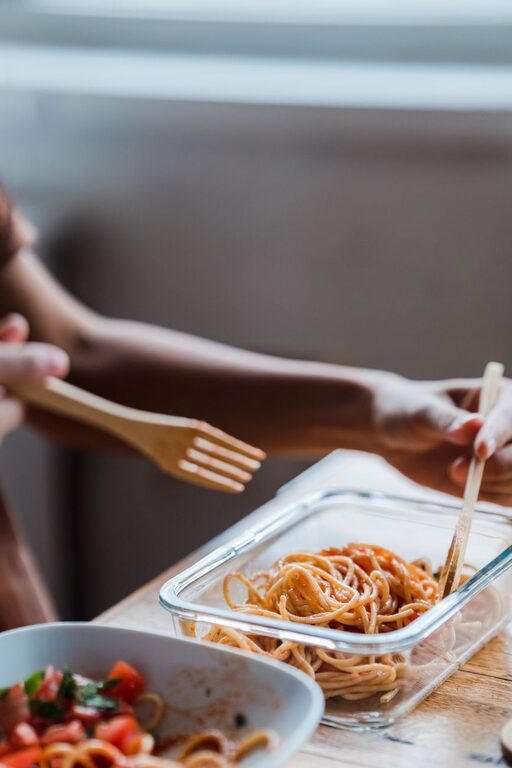
Make Busy Weeks Easier With Meal Prep
When the week gets full, deciding what to eat can feel like one more task on a long list. Meal prep helps by moving some of the cooking and planning to a quieter day. You do not need to prepare every meal in advance or spend an entire afternoon in the kitchen. Even a few prepared ingredients can make weekday meals faster and easier.
The key is to keep your plan simple. Choose recipes that share ingredients, use easy cooking methods, and can be mixed and matched throughout the week. With a little preparation, you can spend less time chopping, cooking, and cleaning on busy days.
Start With a Simple Meal Plan
Before shopping or cooking, take a few minutes to plan. Look at your schedule and decide which meals need to be ready quickly. You may only need prepared breakfasts and lunches, while dinners can be cooked fresh in a shorter amount of time.
A simple weekly plan might include:
- One make-ahead breakfast
- Two lunch options
- Two or three easy dinners
- One flexible meal for leftovers
- Simple snacks that require little preparation
Avoid planning seven completely different dinners. Instead, choose meals that use some of the same ingredients. For example, roasted vegetables can be served with rice one night, added to a wrap the next day, and mixed into a grain bowl later in the week.
Build Meals From Prepared Basics
Preparing a few basic ingredients gives you plenty of options without requiring several full recipes. Focus on four categories: protein, grains or starches, vegetables, and sauces.
Protein Options
Choose ingredients that can be used in several meals. Baked chicken, cooked beans, hard-boiled eggs, roasted tofu, and shredded rotisserie chicken are all useful choices. Season them simply so they work in different dishes.
For example, plain baked chicken can be added to salads, wraps, rice bowls, or pasta. Beans can be used in tacos, soups, salads, and quick grain bowls.
Grains and Starches
Cook a batch of rice, quinoa, pasta, potatoes, or another favorite grain. Store it in individual or family-sized containers so it is easy to reheat. Whole grain bread, tortillas, and pre-cooked grains can also save time when you need a quick meal.
Vegetables
Roasting a large tray of vegetables is one of the easiest meal prep strategies. Try carrots, broccoli, bell peppers, zucchini, onions, or sweet potatoes. Toss them with oil and simple seasonings, then roast until tender.
You can also prepare fresh vegetables for snacks and salads. Wash and cut items such as cucumbers, carrots, celery, and bell peppers. Store them in containers so they are ready to use.
Sauces and Toppings
A good sauce can make the same basic ingredients taste completely different. Prepare or purchase a few versatile options, such as salsa, pesto, yogurt sauce, hummus, vinaigrette, or a simple lemon dressing.
Keep sauces separate until serving. This helps salads, grain bowls, and wraps stay fresh and prevents them from becoming soggy.
Easy Breakfast Meal Prep Ideas
Breakfast is often the hardest meal to manage during a rushed morning. Choose recipes that can be prepared in batches and eaten with little effort.
Overnight Oats
Combine oats, milk or a milk alternative, yogurt, and your favorite toppings in small jars or containers. Add fruit, nuts, seeds, cinnamon, or a spoonful of nut butter. Prepare several portions at once and store them in the refrigerator.
Freezer Breakfast Burritos
Fill tortillas with scrambled eggs, beans, cheese, roasted vegetables, or cooked potatoes. Wrap each burrito, place it in a freezer-safe container, and reheat when needed. Make a few different combinations to keep breakfast interesting.
Egg Muffins
Whisk eggs with chopped vegetables, cheese, and cooked meat if desired. Pour the mixture into a muffin pan and bake until set. These small portions are easy to grab and pair well with toast or fruit.
Simple Lunches for the Workweek
Lunches should be filling, portable, and easy to reheat or serve cold. Prepare meals in containers with separate sections when possible.
Grain Bowls
Layer cooked grains, vegetables, protein, and a sauce. Try rice with chicken and roasted vegetables, quinoa with beans and corn, or couscous with chickpeas and chopped cucumber. Change the toppings during the week to create variety.
Wraps and Sandwiches
Prepare fillings in advance, but assemble wraps and sandwiches closer to serving time when possible. Good combinations include chicken with lettuce and hummus, beans with cheese and salsa, or turkey with spinach and mustard.
For a faster option, wash greens and prepare sliced vegetables ahead of time. Then you can assemble a sandwich in just a few minutes.
Pasta Salad
Cook pasta and mix it with vegetables, beans, cheese, and dressing. Pasta salad can be served cold and is easy to portion into several lunches. Keep delicate ingredients, such as fresh herbs or crunchy toppings, separate until serving.
Quick Dinner Ideas
Meal prep does not have to mean eating the same dinner every night. Prepare ingredients in advance, then turn them into different meals.
- Sheet pan dinner: Combine prepared vegetables and protein on a baking sheet and heat until warm.
- Stir fry: Cook pre-cut vegetables with chicken, tofu, or shrimp, then serve over rice.
- Tacos: Reheat seasoned beans, chicken, or vegetables and serve with tortillas and toppings.
- Soup: Make a large pot of soup and store portions for quick lunches or dinners.
- Loaded baked potatoes: Prepare potatoes ahead of time and add beans, vegetables, cheese, or leftover protein.
- Quick pasta: Combine cooked pasta with pesto, tomato sauce, vegetables, and a prepared protein.
Use the Freezer to Extend Your Options
The freezer is helpful for storing extra portions and preventing food waste. Freeze soups, cooked grains, burritos, muffins, and many casseroles in clearly labeled containers. Add the name and date so you can use older items first.
Freeze foods in portions that match your needs. Individual servings work well for lunches, while larger containers are useful for family dinners. Allow hot food to cool before storing, and leave a little space in containers for expansion.
Make Meal Prep More Efficient
A few small habits can make your prep session quicker and more enjoyable:
- Write a shopping list based on your meal plan.
- Wash and cut produce as soon as you unpack groceries.
- Use one oven temperature for several foods whenever possible.
- Cook ingredients in batches instead of preparing one meal at a time.
- Choose recipes with overlapping ingredients.
- Store food in clear, labeled containers.
- Keep one easy backup meal available for especially busy days.
You can also set a timer and work in short stages. Start a pot of grains, then chop vegetables while it cooks. Roast vegetables while preparing a sauce or cleaning the counter. This approach helps you finish more without making the process feel overwhelming.
Keep Your Plan Flexible
The best meal prep routine is one you can repeat. Start with two or three prepared items instead of trying to organize every meal. If your schedule changes, use the ingredients in a different way. A planned dinner can become lunch, and leftover vegetables can be added to breakfast or a quick wrap.
Meal prep should make your week easier, not create extra pressure. With a few versatile ingredients, simple recipes, and a flexible plan, you can enjoy homemade meals while spending less time in the kitchen.